
Freshwater Stingrays
Freshwater Stingrays represent a compelling subject within ornamental aquaculture, combining distinctive morphological features with complex ecological requirements. At buyarowanafish.com, We curated this category to highlight biological complexity and husbandry needs. It places these species in a framework that links evolution, behavior, and environmental management.
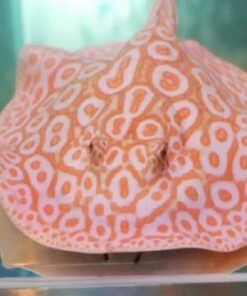
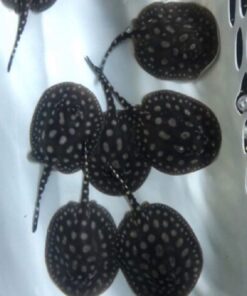
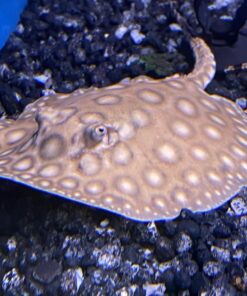
Belonging primarily to the genus Potamotrygon, freshwater stingrays exhibit flattened, disc-shaped bodies adapted for benthic living in South American river systems. Their body shape helps them hide and use special feeding methods. Researchers still study if these traits come from habitat changes or shared ancestry. Readers interested in comparative fish morphology may consult
stingray biology studies for contextual understanding of their anatomical adaptations.
Husbandry of freshwater stingrays requires nuanced attention to water chemistry, substrate composition, and spatial dynamics. While conventional recommendations emphasise large, shallow tanks with fine substrate, some practitioners have advocated for controlled environmental variation to more closely replicate natural habitats. Such debates underscore the tension between standardized aquarium protocols and ecological fidelity in captive management.
Feeding strategies also exhibit considerable complexity. Freshwater stingrays are predominantly carnivorous, yet the optimal balance between live, frozen, and formulated diets remains a topic of discussion among aquarists. Live foods may stimulate natural predation, whereas prepared diets offer controlled nutritional content. For a comprehensive guide on feeding and care, visitors can refer to our
Stingray Care Guide, which situates dietary management within a broader framework of aquatic health.
Transport and acclimation represent additional points of consideration. Given their sensitivity to stress and susceptibility to physical injury, careful handling during shipping is essential. Our
Live Fish Shipping Policy outlines protocols to mitigate risk, while the
Fish Acclimation Guide provides structured guidance for safe introduction into established aquarium systems.
We selected the stingrays in this category to balance visual quality with responsible care considerations. Rather than framing them purely as exotic or decorative, this collection emphasises the integration of biological understanding, environmental management, and ethical husbandry.
In conclusion, freshwater stingrays offer a unique intersection of ecological complexity and aesthetic appeal. Critically and informed engagement in their care can improve their health and lifespan.
It can also deepen the aquarist’s understanding of freshwater biodiversity and responsible ornamental fishkeeping.
Others
Black Diamond Stingray
Motoro Stingray