
Asian Arowana
The classification of Asian Arowana within ornamental fishkeeping often invites a more nuanced interpretation than is typically afforded to freshwater species. Rather than viewing these fish only in commercial terms, we can better understand them as having a complex role.
Local ecology, regulations, and cultural value shape this role. At buyarowanafish.com, the Asian Arowana category shows this layered view. It presents fish that look unique and fit broader biological and economic contexts.
Asian Arowana belong to the species *Scleropages formosus*. People often describe them as relics of an ancient lineage. Their distribution across Southeast Asian river systems has led to the emergence of several geographically differentiated varieties, including Super Red, Golden, and Green Arowana. While these labels are common in the aquarium trade, ichthyologists still debate them.
The lines between these variants may be less clear than many people assume. A more general account of fish evolution and diversity can be explored through
fish taxonomy research, which situates species like Asian Arowana within broader phylogenetic debates.
Asian Arowana differs from other members of the Osteoglossidae family in ways that go beyond morphology or coloration. Legal protection under international agreements has significantly shaped their availability and circulation.
Conservation laws protect the species, so authorities regulate their trade. Certified breeding programs are now central to their distribution. This regulatory dimension introduces an additional layer of consideration for aquarists, who must navigate both biological care and legal compliance when acquiring specimens.
From a husbandry standpoint, people often discuss the requirements of Asian Arowana in terms of precision and consistency. People often recommend large aquariums with controlled water parameters.
But it is too simple to assume uniform conditions alone guarantee health. Some experienced keepers propose that environmental enrichment, including structured tank layouts and varied flow patterns, may contribute to behavioural stability. Readers seeking applied guidance may refer to our
Arowana Care Guide, where equipment and environmental considerations are examined in greater detail.
Feeding strategies further illustrate the diversity of perspectives within the field. Although many people widely endorse protein-rich diets, they have not resolved the debate over live versus prepared foods. Proponents of live feeding often argue that it supports natural predatory instincts, whereas critics raise concerns regarding pathogen transmission and ethical implications. These tensions reflect a broader methodological divide between naturalistic simulation and controlled feeding protocols.
The process of transporting Asian Arowana introduces additional complexity, particularly given their sensitivity to stress and water quality fluctuations. Careful packaging and acclimation procedures are therefore essential. Our
Live Fish Shipping Policy outlines the standards applied during transit, while the
Fish Acclimation Guide provides practical recommendations for post-delivery integration.
We selected the specimens in this category with attention to both quality and traceability. Rather than viewing Asian Arowana only as luxury purchases, this collection may reflect a careful approach.
It may show engagement with a species that needs informed, responsible care.
In light of these points, the Asian Arowana is not just an ornamental fish. It also invites ongoing thought on links between conservation, commerce, and aquarium practice. A thoughtful approach to their selection and maintenance could, in turn, contribute to more sustainable and informed fishkeeping systems.

Asian Arowana

Asian Arowana

Asian Arowana

Asian Arowana
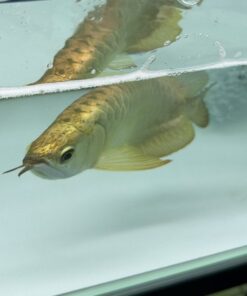
Asian Arowana

Asian Arowana