
Aquarium Equipment
Within contemporary aquarium practice, aquarium equipment occupies a central, though sometimes under estimated, role in shaping environmental stability and long-term fish health. While many aquarists first focus on choosing livestock, the system’s equipment may affect results even more.
At buyarowanafish, They developed this category to reflect that view. It presents equipment as essential parts of a controlled aquatic ecosystem, not optional accessories.
For instance, people often view filtration systems as the foundation of water quality management. Yet, there remains ongoing debate regarding the relative importance of mechanical, chemical, and biological filtration. Some aquarists favour high-flow canister filters to maximise particulate removal, whereas others emphasise the cultivation of nitrifying bacteria as the primary stabilising force. A broader ecological explanation of these processes can be found in
aquatic ecosystem research, which situates aquarium filtration within naturally occurring biological cycles.
Lighting technologies introduce another dimension that extends beyond mere aesthetics. Although often treated as decorative, controlled lighting conditions may influence fish behaviour, metabolic rhythms, and even pigmentation. Modern LED systems, widely available in our collection, provide adjustable spectrum and intensity. However, it remains a point of discussion whether such precision produces measurable biological benefits or primarily enhances visual presentation.
Temperature regulation also warrants careful consideration. Conventional guidance tends to emphasise strict stability, yet some aquarists suggest that minor fluctuations could mimic natural environments and potentially reduce stress. High-quality heaters and thermostatic controls in this category provide steady temperature control. They also allow fine adjustments based on the aquarist’s preferred method.
Aeration and water movement are equally significant, particularly in systems housing large species such as Arowana. In such environments, dissolved oxygen levels may become limiting if not actively managed.
Do not view equipment like air pumps and powerheads as optional extras. They are key to keeping metabolic balance. For species-specific guidance, readers may consult our
Arowana Care Guide, where equipment recommendations are discussed in relation to biological requirements.
It is important to recognise that aquarium systems are not static. As tanks mature and stocking levels change, equipment configurations may require ongoing adjustment. This dynamic approach aligns with current perspectives that frame fishkeeping as an evolving process rather than a fixed setup.
We curate our selection of aquarium equipment to balance reliability, efficiency, and adapt ability. Whether setting up a new system or improving an existing one, aquarists can find solutions for many setups. These range from simple designs to highly specialised environments. Additional guidance on transitional processes can be found in our
Live Fish Shipping Policy, both of which highlight the role of equipment in reducing stress and improving survival rates.
In summary, we can best understand aquarium equipment as an inter connected system that mediates between biological needs and artificial environments. While there is no one setup that works for everyone, you can still choose the right equipment. Use a careful, science-based approach. This can greatly support your aquarium’s long-term health and stability.
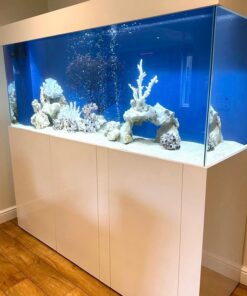
Aquarium Equipment