
Silver Arowana Care Guide: Tank Setup, Feeding & Growth Tips
Silver Arowana (Osteoglossum bicirrhosum) are notable among freshwater fish for their considerable size, striking appearance, and dynamic swimming behavior. Maintaining their health and aesthetic appeal demands not only adherence to general husbandry principles but also careful attention to species-specific requirements. For a broader foundation on habitat, behavior, and long-term care strategies, refer to this complete arowana care guide. In contemporary aquaculture, discussions about optimal care often highlight debates around tank dimension adequacy, dietary composition, and long-term growth projections.
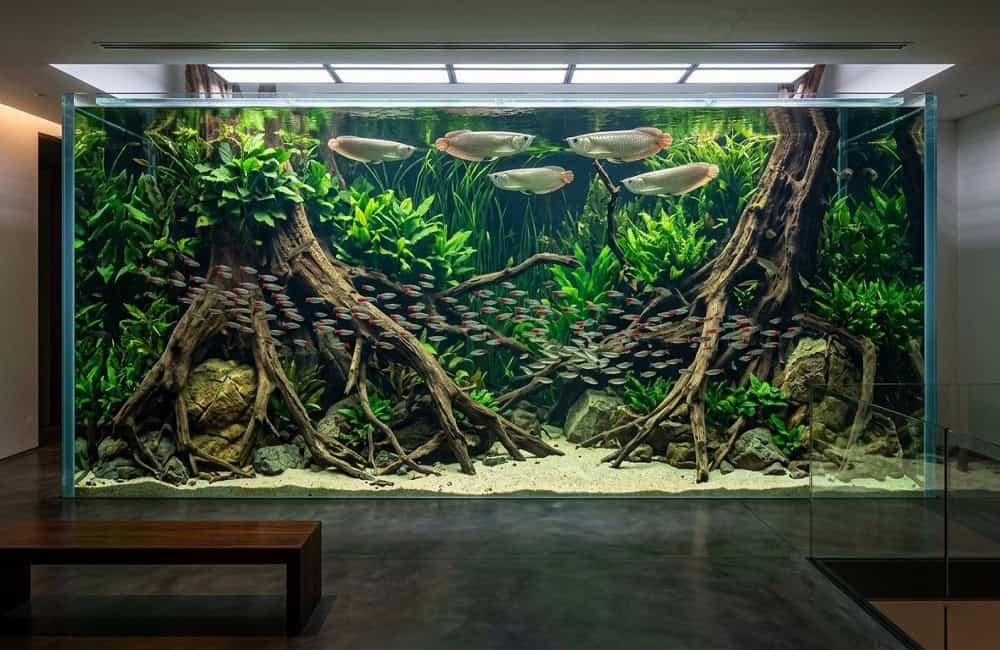
Silver Arowana require expansive aquaria to accommodate their natural swimming behavior
Tank Requirements for Silver Arowana
Unlike many smaller ornamental species, Silver Arowana necessitate a substantial aquatic environment. While guidelines vary, a minimum tank length of 6 feet is frequently cited among aquarists, although larger dimensions may better replicate natural conditions. Depth and width must likewise facilitate lateral movement and reduce collision risks. For a more detailed breakdown of spatial planning and aquarium dimensions, see this arowana tank size guide. Some researchers caution that undersized tanks can lead to stress-induced behaviors and compromised immune function.
Water Parameters
Maintaining stable water conditions is essential. Recommended parameters include a temperature range of 75–82°F, pH between 6.5–7.5, and moderate hardness. Frequent monitoring and incremental adjustments are advisable, as sudden fluctuations can precipitate stress responses. Experts often debate whether more alkaline conditions yield better long-term health; empirical evidence remains mixed, suggesting moderation and gradual acclimation.
Feeding and Nutritional Considerations
Dietary management significantly affects both growth rate and coloration. Silver Arowana are primarily carnivorous, thriving on a combination of live prey, high-protein pellets, and occasional frozen items. While anecdotal reports suggest that feeding live fish enhances activity and coloration, some studies caution against overreliance on live prey due to pathogen transmission risks. Feeding schedules and diet composition are explored further in this arowana feeding guide.
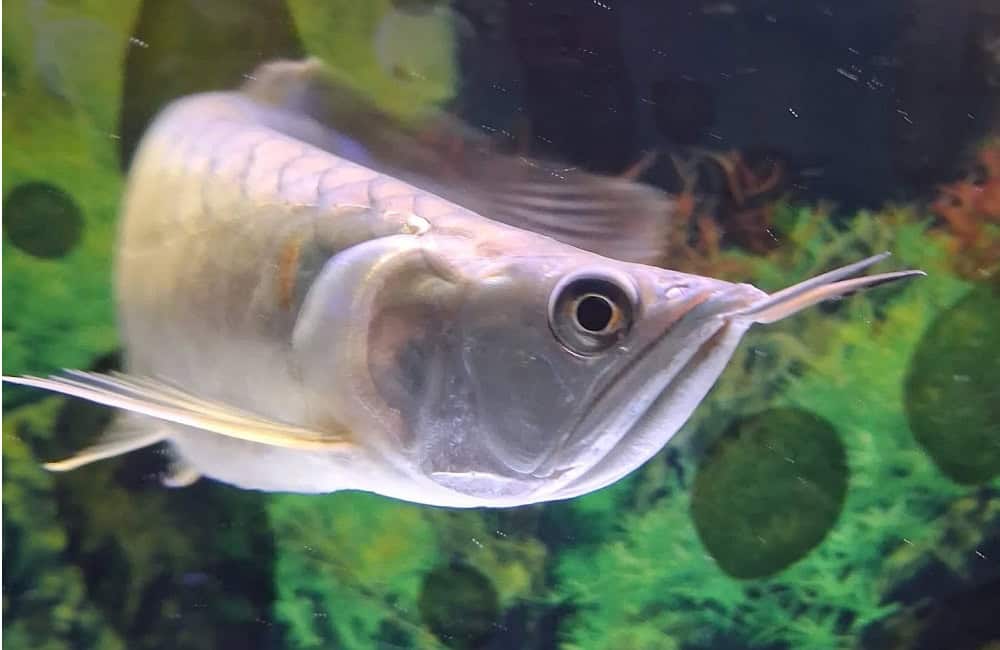
A varied diet supports optimal growth and overall health of Silver Arowana
Growth Patterns and Longevity
Silver Arowana exhibit relatively rapid growth during the first two years, often reaching lengths of 24–30 inches within this period. Growth rate is contingent upon diet, water quality, and tank size. Longevity may extend beyond 15 years under ideal conditions, yet suboptimal care can reduce both size potential and lifespan. Scholars note that these variables interact complexly, with synergistic effects that may not be captured by simplified care recommendations.
Tankmates and Behavior
Silver Arowana are known for their territoriality and predatory tendencies. Selecting compatible tankmates requires consideration of size, swimming level, and temperament. Smaller fish may become prey, whereas larger, robust species are better candidates for cohabitation. Behavioral research suggests that structured territories and visual barriers can mitigate aggression, though some tension is inevitable due to inherent predation instincts.
Common Health Challenges
Infectious diseases, parasitic infestations, and injuries from collisions or aggressive encounters constitute primary risks. Proactive strategies include maintaining optimal water quality, monitoring feeding behavior, and quarantining new specimens. Environmental transitions can also influence stress levels, making proper introduction techniques important—see this fish acclimation guide for safe transition practices.
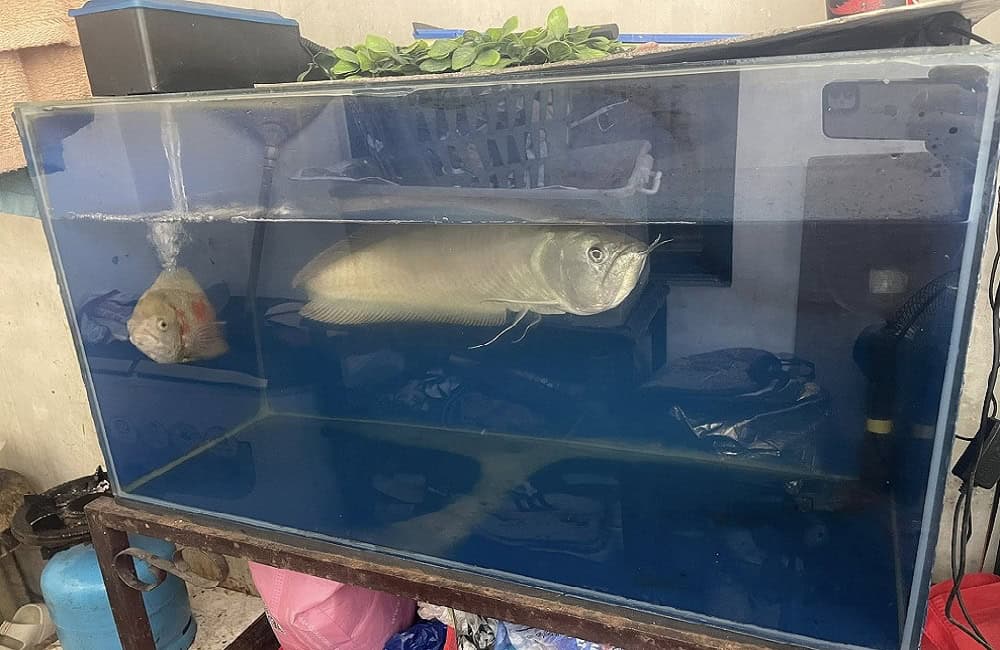
Regular observation and maintenance ensure Silver Arowana thrive in captivity
Silver Arowana Care Checklist
| Care Aspect | Recommendation |
|---|---|
| Tank Size | Minimum 6 feet long; 180 gallons or more |
| Water Parameters | pH 6.5–7.5; Temp 75–82°F; moderate hardness |
| Diet | High-protein pellets, live/frozen prey, occasional insects |
| Tankmates | Large, non-aggressive fish; avoid small prey species |
| Maintenance | Regular water changes, filtration monitoring, disease prevention |
Additional Resources
To explore available species and select healthy specimens suited for long-term care, you can browse arowana fish listings. For scientifically grounded information on freshwater fish ecology and physiological adaptation, consult National Geographic’s fish resource, which provides a broader perspective on aquatic environments and species behavior.
Conclusion
Silver Arowana care demands a nuanced understanding of tank dynamics, dietary management, and behavioral tendencies. Optimal husbandry combines empirical observation with adaptive strategies, acknowledging that minor variations in environment, nutrition, or social context may substantially influence growth and overall vitality. By integrating practical experience with credible external knowledge, aquarists can maintain healthy and visually striking specimens over the long term.